
Weekend+ by Rakuten
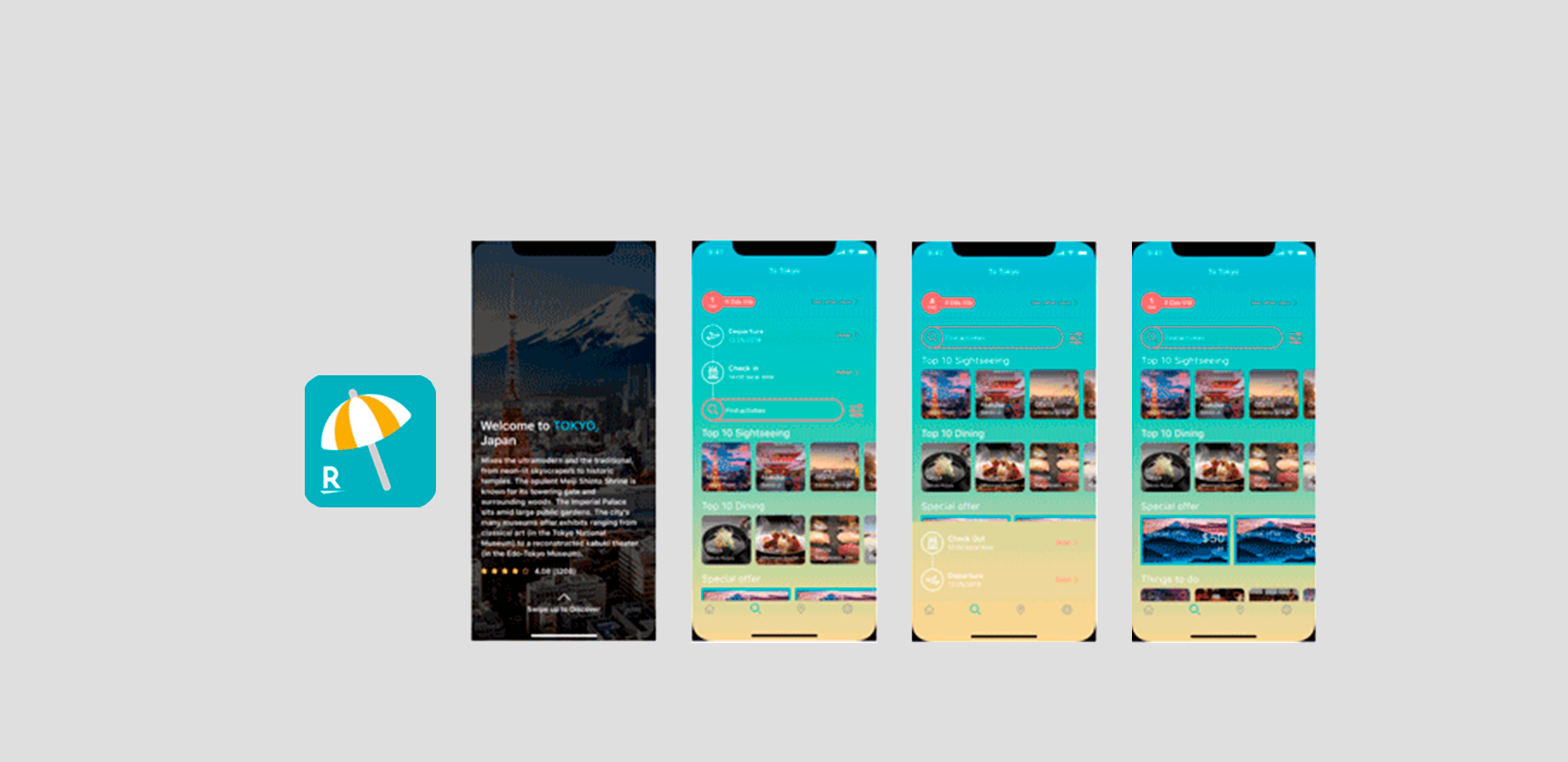
From discovery research to a production-ready mobile MVP
0-to-1 Product and Service Design Case Study
THE CHALLENGE
Rakuten Travel wanted to extend its role beyond booking into travel inspiration and planning. The opportunity was broad, so the team needed to turn an ambiguous service idea into a focused, testable mobile MVP.
MY ROLE
UX/UI Designer and Design Sprint Facilitator
Focus: Discovery research, service blueprinting, workshop facilitation, interaction design, prototyping, and delivery specifications
Partners: Product, Engineering, Research, and business stakeholders
DISCOVERY
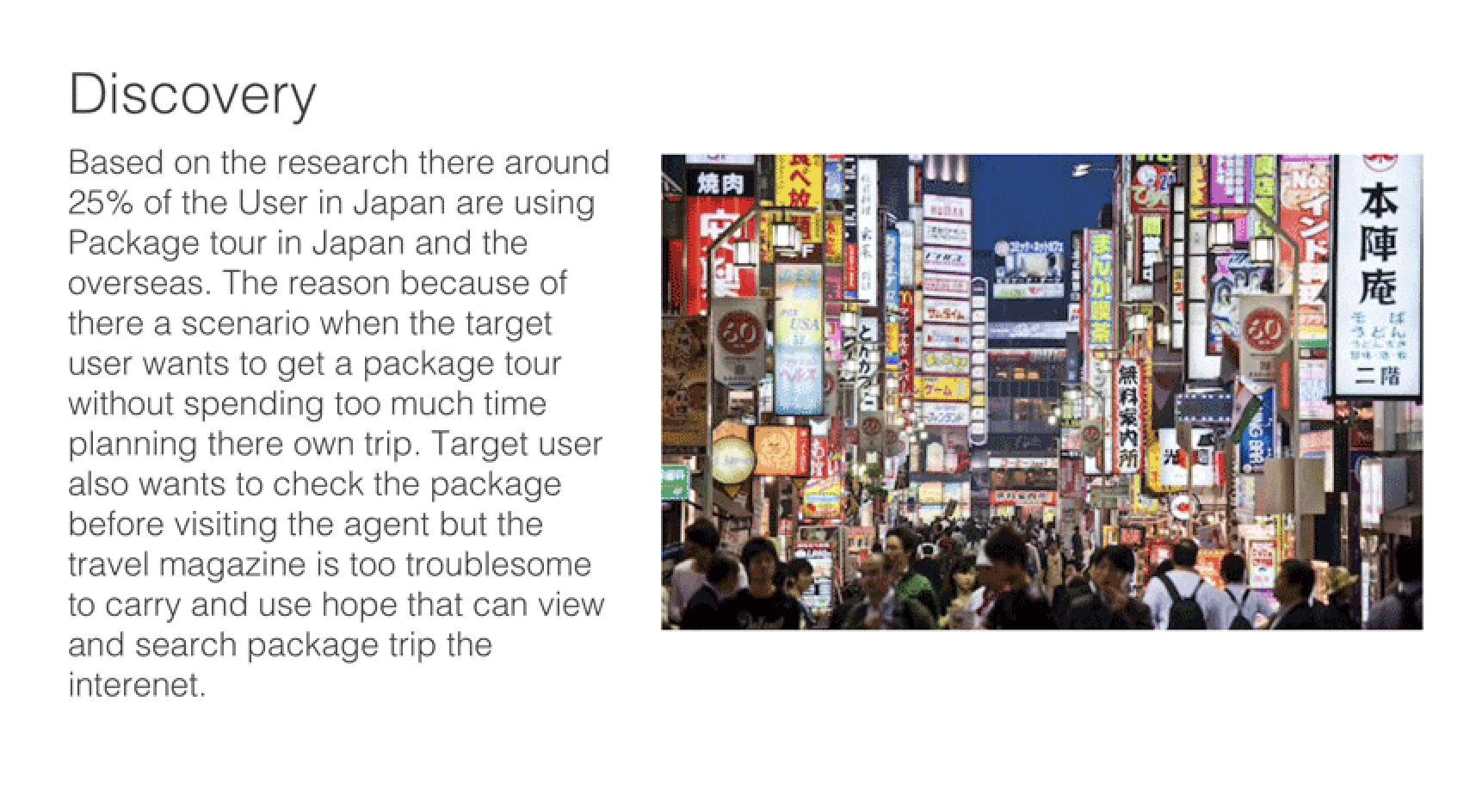
Research indicated an opportunity to support travelers earlier in the journey, when they were still exploring destinations, building itineraries, and coordinating transport and accommodation.
PRODUCT STRATEGY
I helped the team frame an inspiration-led planning experience and facilitated a design sprint to align the customer problem, business opportunity, MVP scope, and end-to-end service journey.
KEY DESIGN DECISIONS
• Start with planning intent rather than a booking form
• Connect destination ideas with flights, hotels, and car rental
• Keep the MVP narrow enough to deliver and learn
• Create reusable interaction patterns and clear engineering specifications
SOLUTION
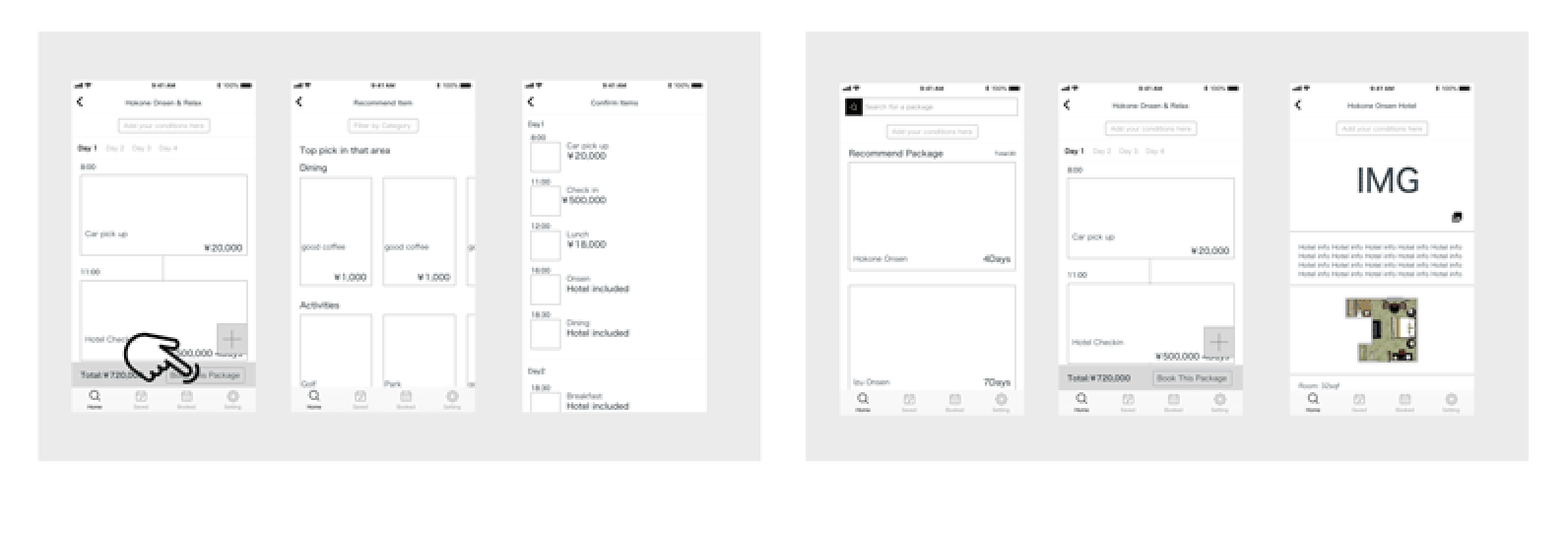
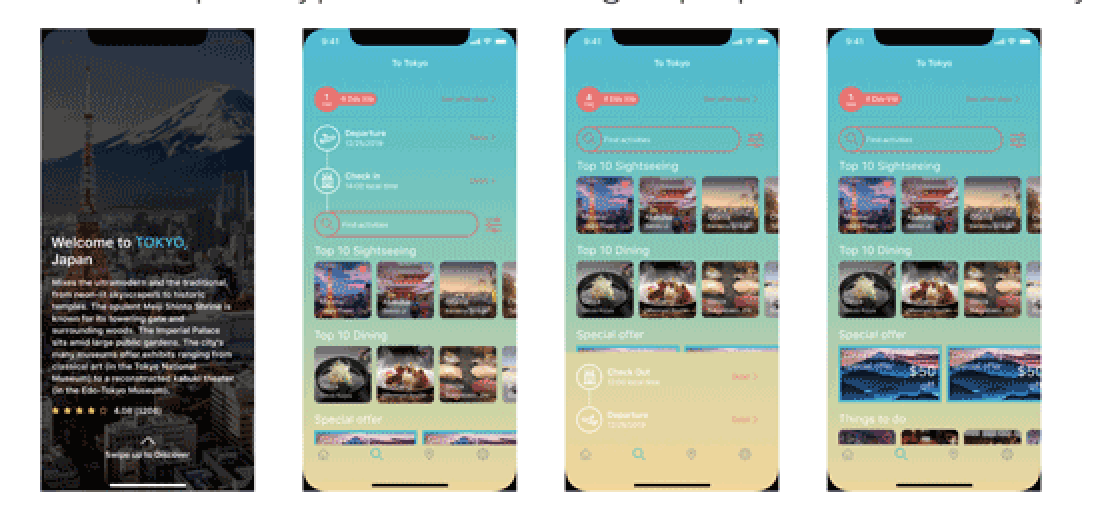
I moved the concept from journey maps and low-fidelity flows into a high-fidelity mobile prototype, component guidance, and production documentation. Regular feedback with Product and Engineering helped resolve constraints before handoff.
VALIDATION
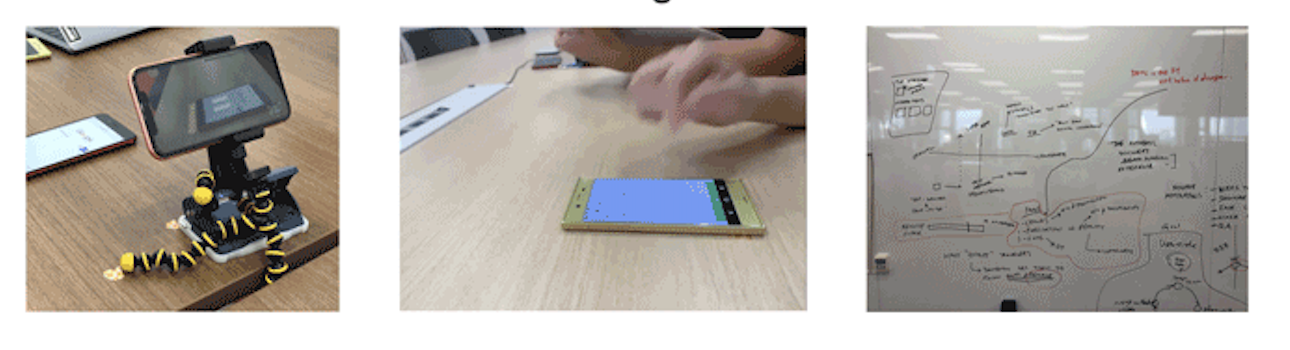
The team used iterative prototype feedback and screened internal usability sessions to refine the primary planning flow, language, and information hierarchy.
OUTCOME
The work supported the 2019 launch of a new mobile travel-planning experience within the agreed scope and budget, while establishing a foundation for future cross-service features.
KEY LEARNING
0-to-1 design requires more than a compelling concept. The designer must reduce ambiguity, make trade-offs visible, and help the team commit to a buildable first release.
Selected Discovery, Sprint, and Delivery Artifacts
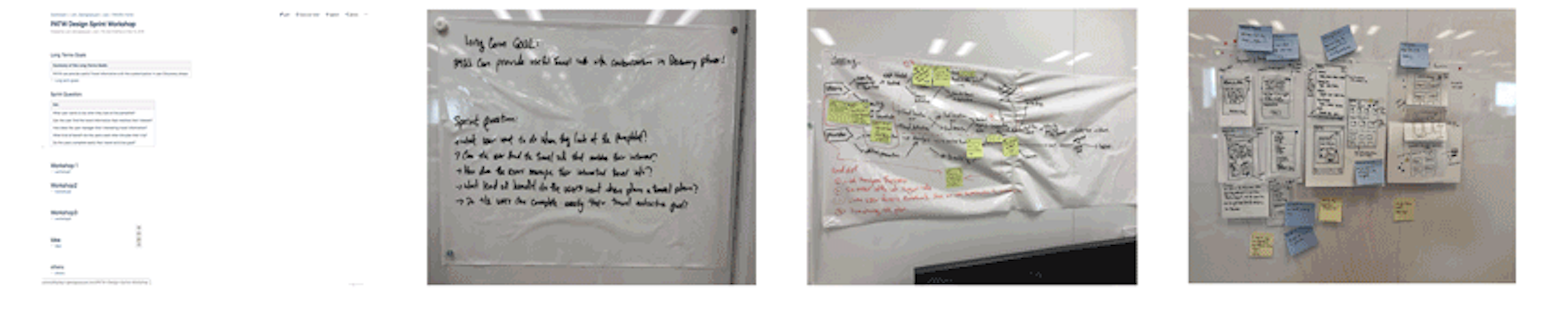
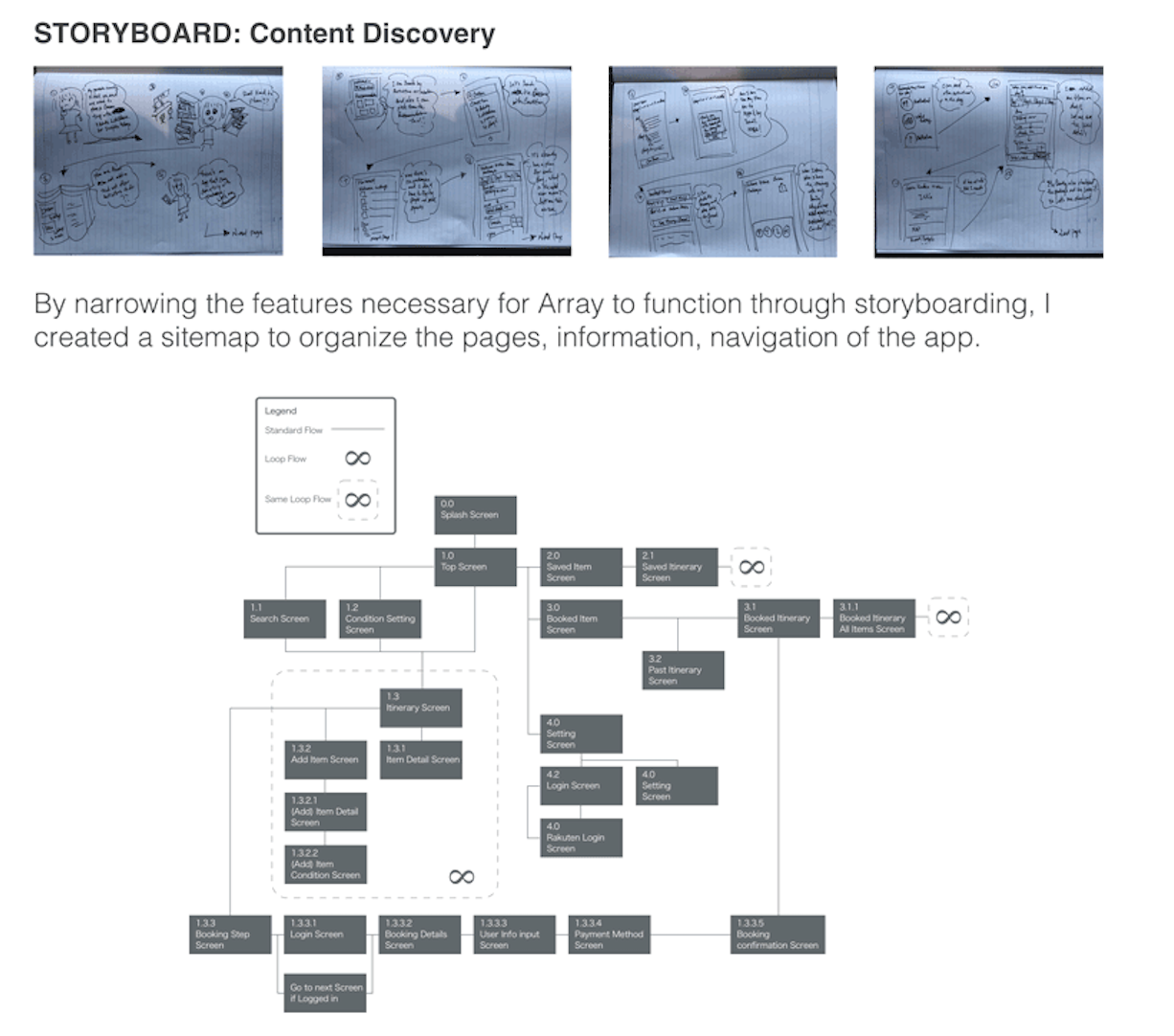
Facilitated a cross-functional design sprint to define the product concept, customer journey, MVP scope, and information architecture.
Following validation and roadmap prioritization, the app launched in 2019 with complete documentation and a reusable design library.