
Rakuten Travel
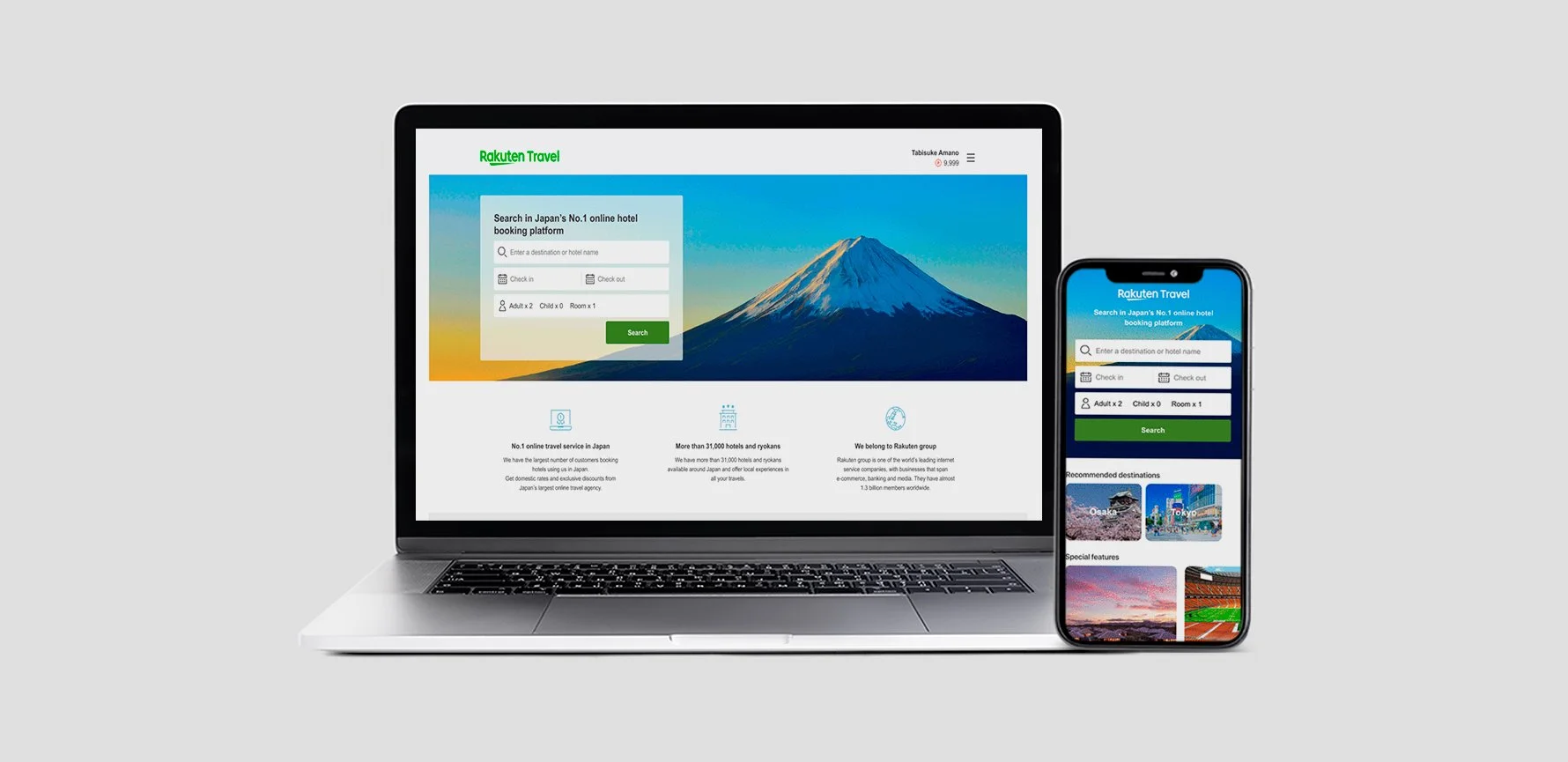
Legacy Product Modernization Case Study
Modernizing a High-Density Travel Booking Experience
THE CHALLENGE
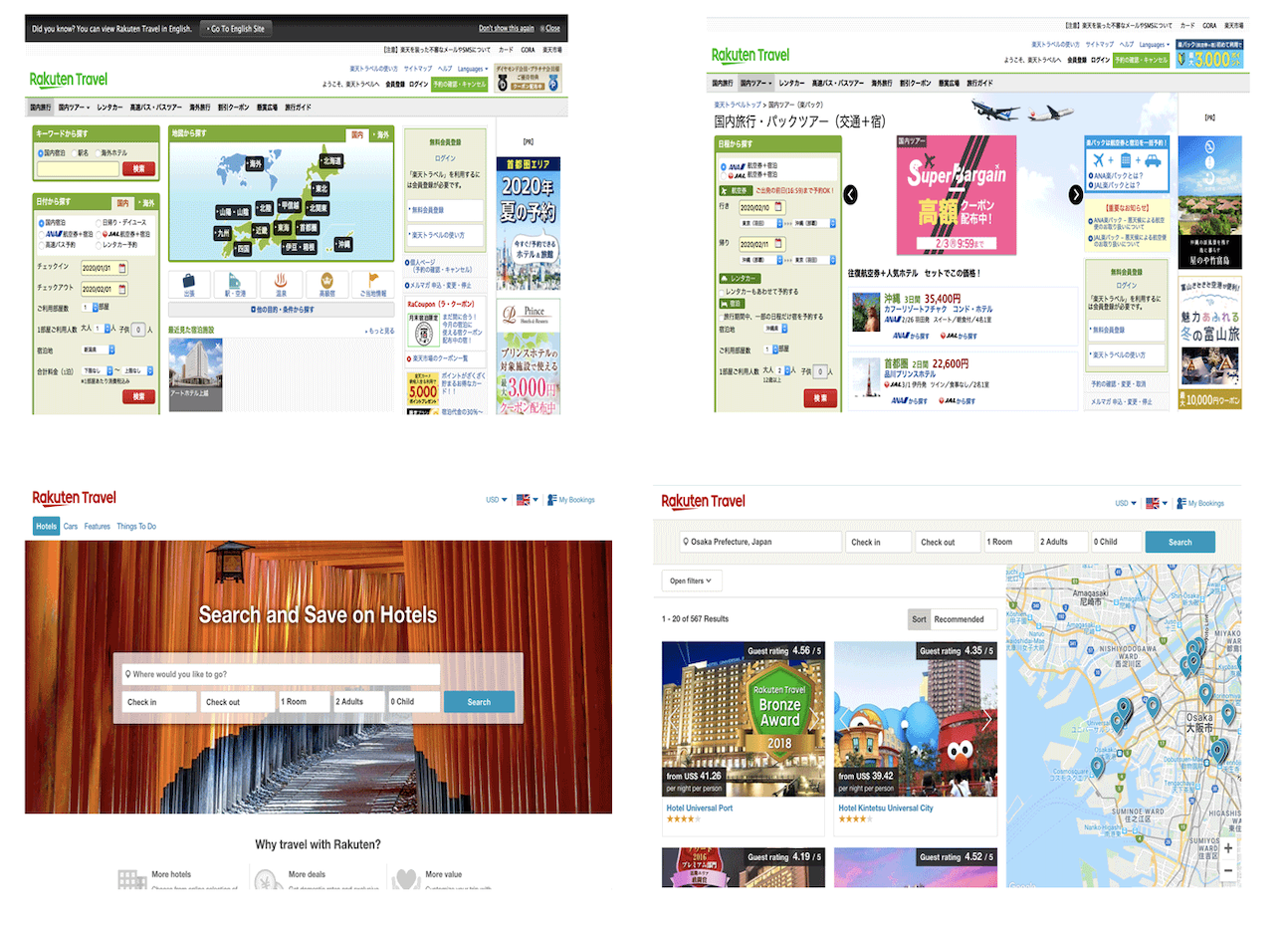
Rakuten Travel’s search and booking experience had evolved over nearly two decades. Dense content, fragmented filters, and visual noise made comparison difficult—but aggressive simplification risked disrupting experienced users who relied on detailed information.
MY ROLE
UX/UI Designer
Focus: UX audit, user research, information architecture, interaction design, prototyping, and usability testing
Partners: Product, Engineering, Research, and business stakeholders
DISCOVERY
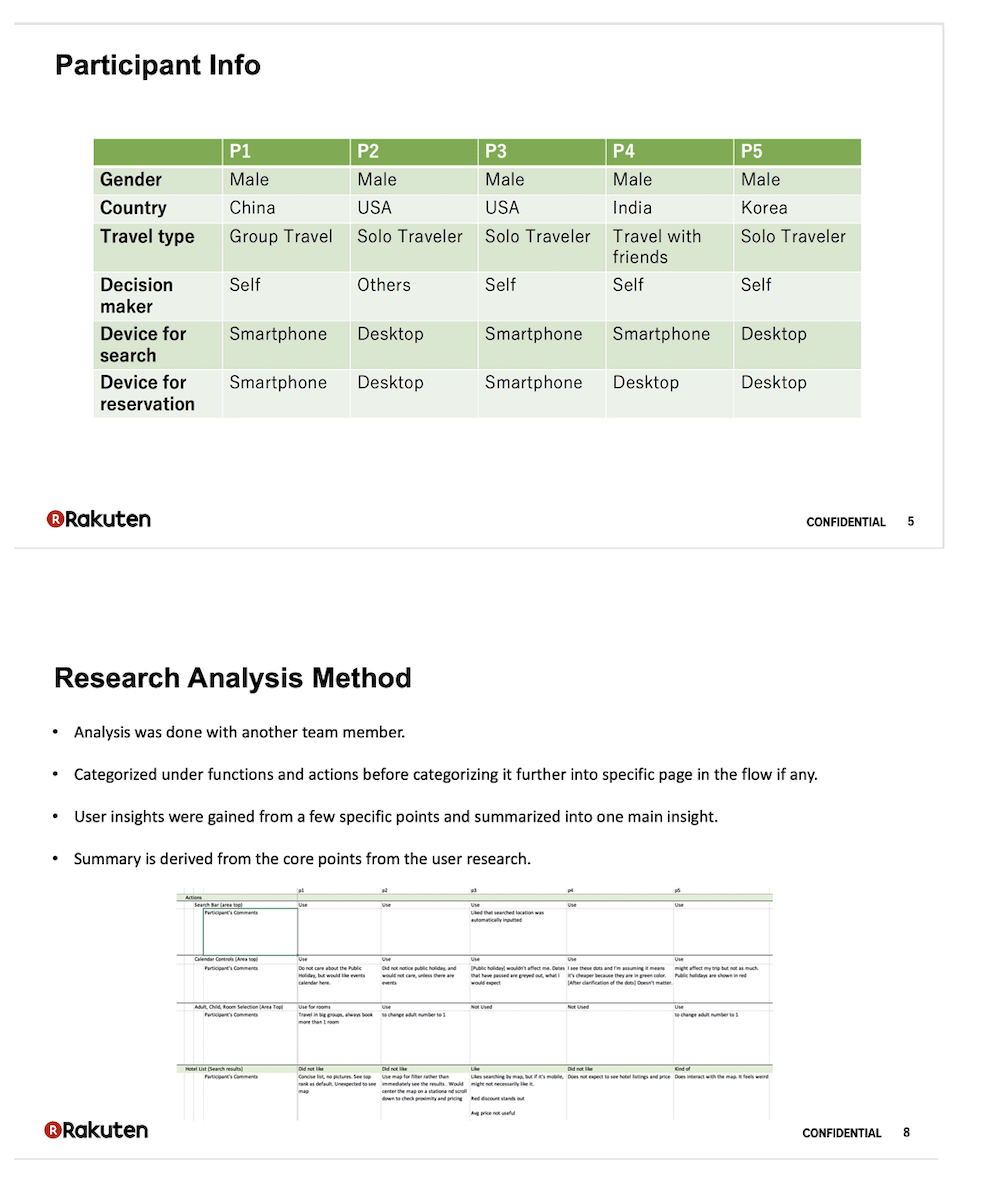
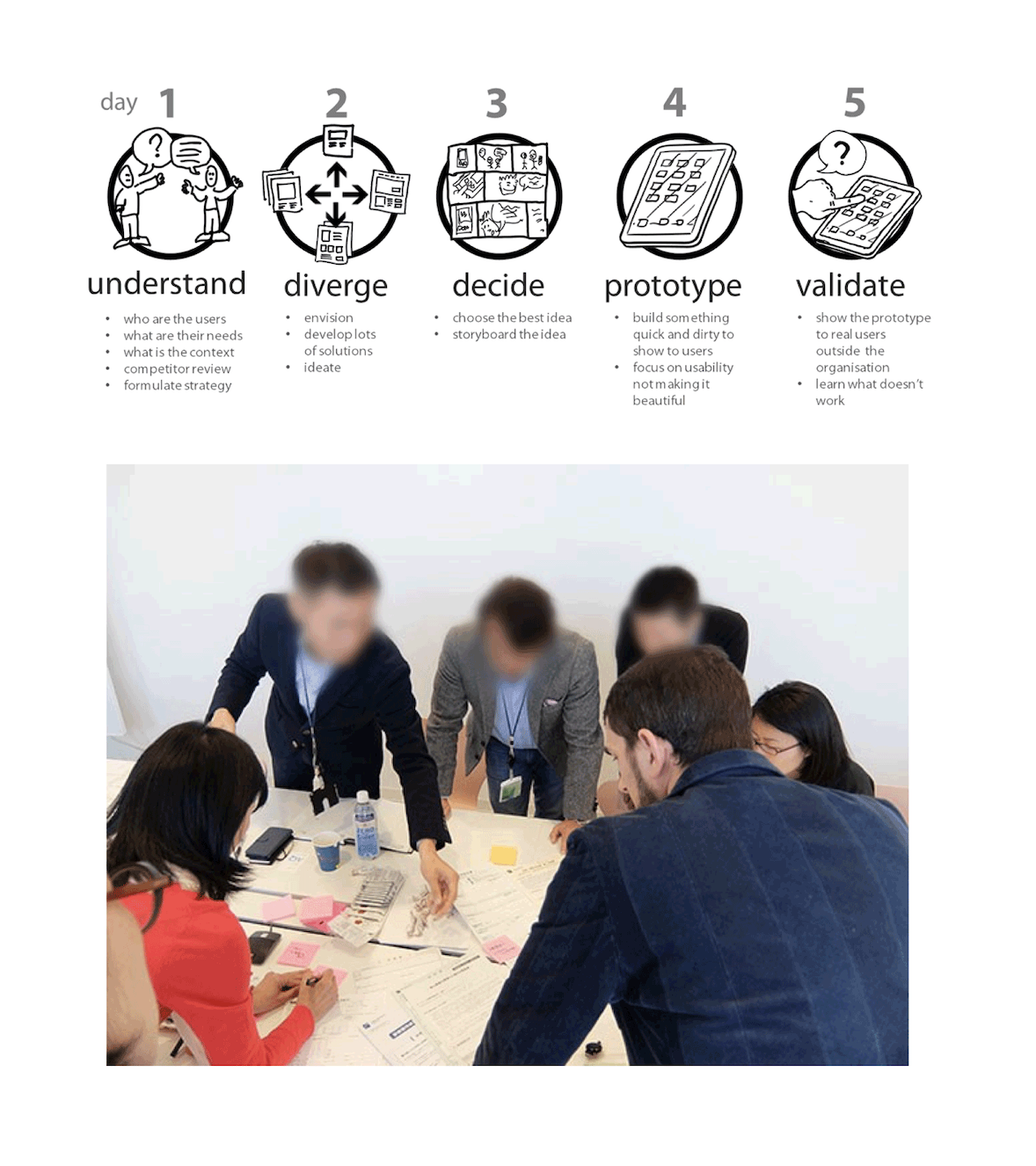
I reviewed product data, mapped the search-to-selection journey, and facilitated design-thinking workshops to identify where users struggled to filter, compare, and build confidence in a choice.
DESIGN STRATEGY
The goal was progressive simplification: reduce cognitive load while preserving the depth and familiar patterns valued by existing customers.
KEY DESIGN DECISIONS
• Reorganize filters around user priorities
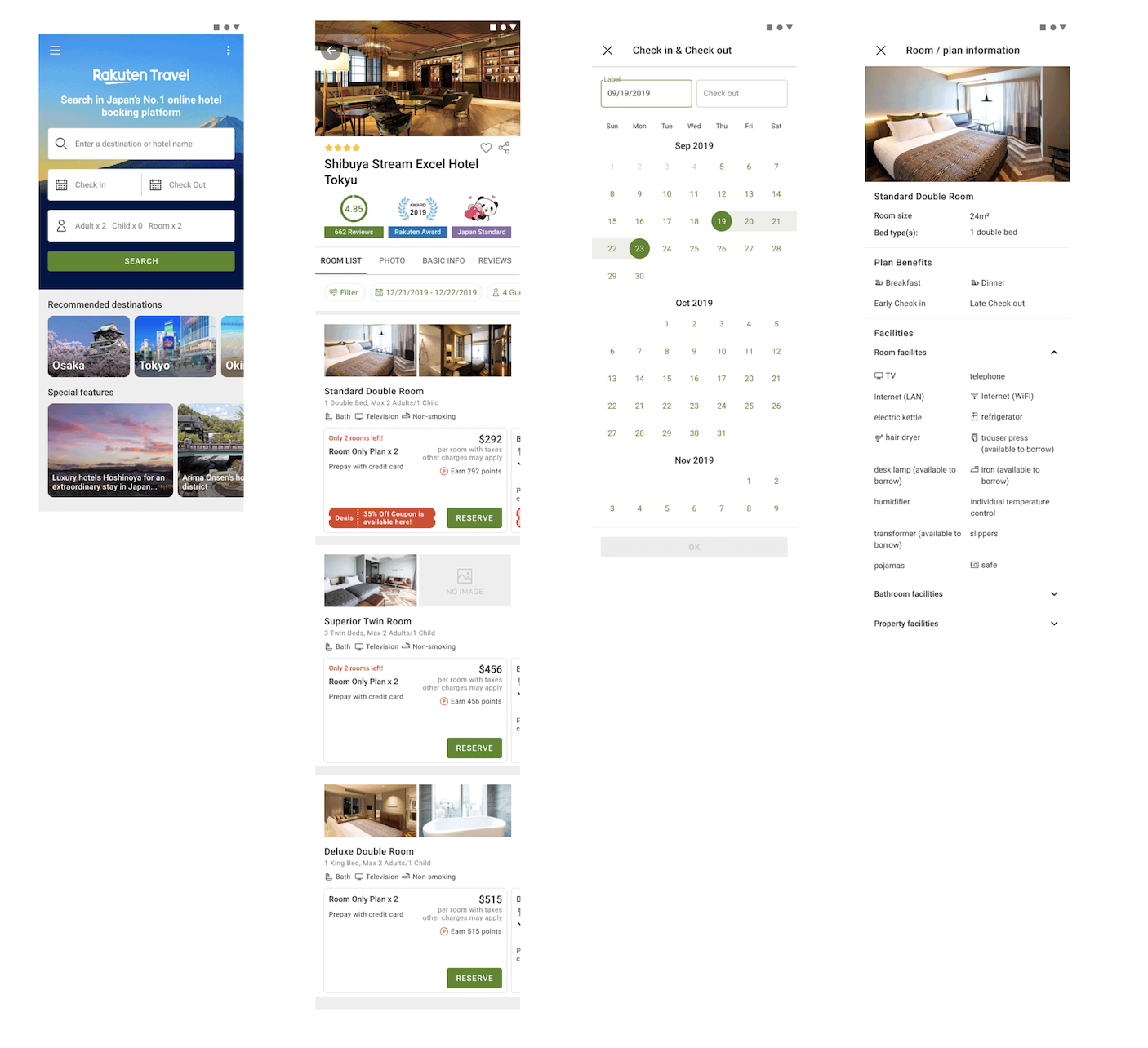
• Improve scanability across search and listing views
• Preserve important comparison information
• Introduce reusable interaction patterns that could scale across the platform
SOLUTION
I redesigned the core Search → Listing → Selection flow, moving from audit and low-fidelity concepts to high-fidelity prototypes. Iterative qualitative testing helped us refine hierarchy, labeling, and interaction behavior before delivery.
VALIDATION
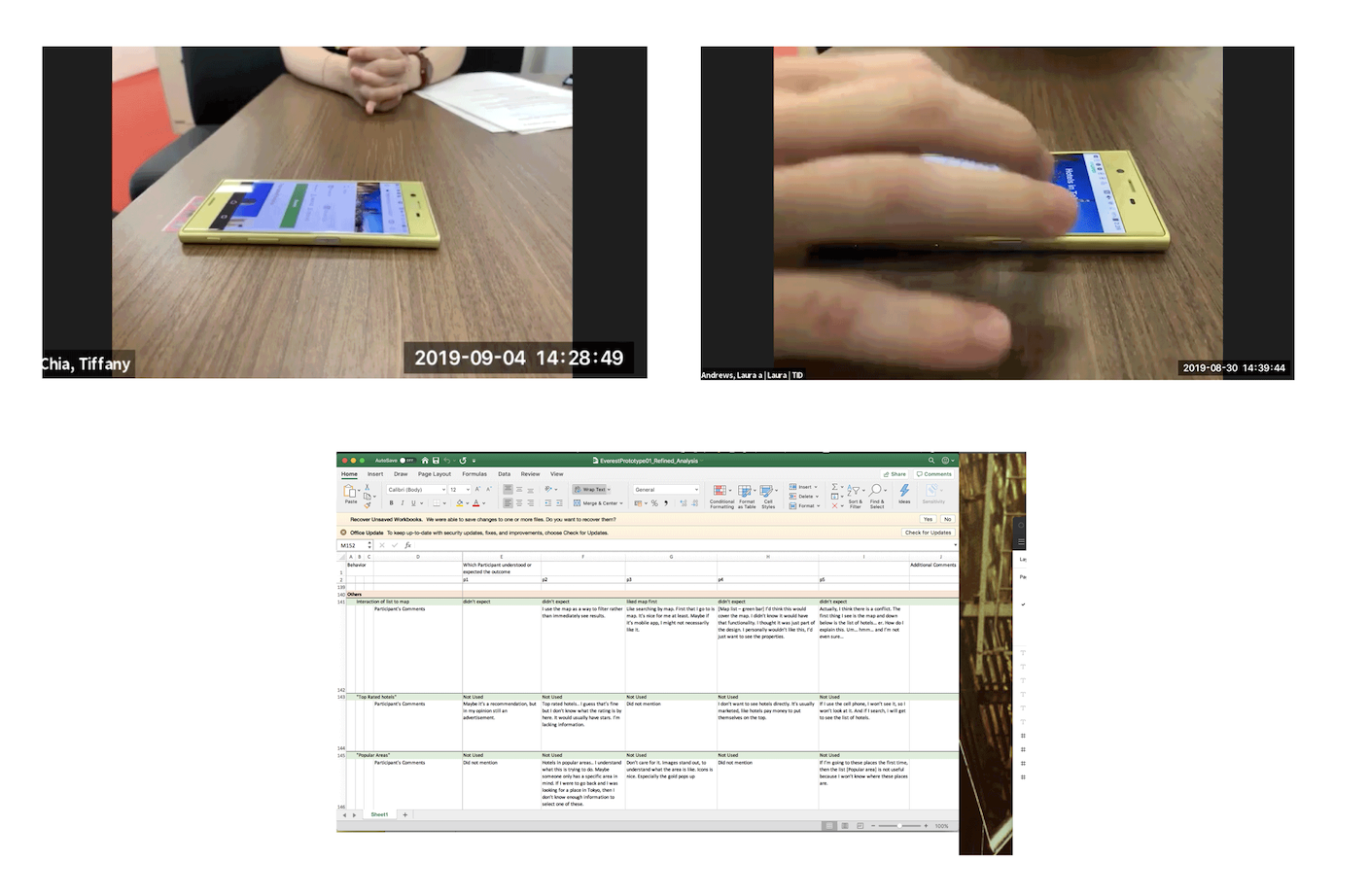
The redesigned prototype was evaluated through in-person usability testing and the System Usability Scale. The result was an 8.3-point SUS improvement.
OUTCOME
The work established a validated, scalable direction for modernizing a mature travel platform while preserving the behaviors existing customers valued.
KEY LEARNING
Modernizing a legacy product is an exercise in trust. Good simplification respects established behavior while making the next action easier to understand.
Selected Research and Design Artifacts
Validated Result
Reported result: An 8.3-point improvement in System Usability Scale following in-person usability testing of the redesigned prototype.
Method: Qualitative usability sessions informed interaction refinements; SUS provided a questionnaire-based measure of perceived usability.
Interpretation: The result describes perceived usability of the evaluated experience. It does not measure booking conversion or establish a live product uplift.
Reporting limits: Participant count, test dates, absolute before-and-after scores, and whether the same participants rated both experiences are not included in this public case.